Medtronic Clinical Research Center
Co-publishing with academic medical centers, hospital systems, service teams, and connected-care operators who need claims to survive real-world scrutiny.
"Every claim we put on a device label has to survive peer review, service reality, and post-market surveillance."Chief Medical Officer, Medtronic commercial programs
Medtronic operates at the intersection of therapy innovation and hospital execution. The commercial medical device audience is not looking for a slogan; it needs evidence that a product can be introduced without confusing clinical users, overloading biomedical engineering, or creating opaque supply risk. Our research center model translates product engineering into the documents and workflows that hospital committees actually review: quality system regulation (QSR) and good manufacturing practice (GMP) references, design history file (DHF) and device master record (DMR) controls, clinical evaluation report (CER) abstracts, and post-market surveillance (PMS) ownership—each tied to a named product family and market, not a corporate slogan.
- 1949 — Medtronic founded in Minneapolis; battery-powered pacemaker work establishes the therapy-engineering baseline still used for evidence discipline.
- 2016–2024 — Connected care and remote monitoring programs expand hospital evaluation packets to include HL7 FHIR messaging, unique device identification (UDI), and cybersecurity SBOM/MDS2 artifacts alongside IFU and risk-benefit analysis notes.
- 2024–2026 — Commercial evaluation packets for consumables, patient monitoring, and laboratory workflows are organized so value analysis, biomed, IT security, and infection prevention can review the same launch sequence.
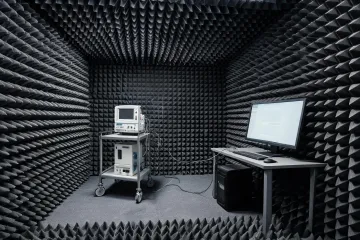
Testing facilities shaped around clinical evidence, connected software, and durable supply support.





Selected evidence packets
Each commercial evaluation can be accompanied by a tailored dossier. Depending on the product category, that packet may include indications, risk controls, validation summaries, service assumptions, training records, cybersecurity material, post-market surveillance plans, and market-specific regulatory references.
- Connected Monitoring Evaluation Guide - observation routing, alarm governance, and privacy controls
- Consumables Conversion Dossier - sterile packaging, UDI, lot traceability, and recall workflow
- Laboratory Integration Brief - LIS messages, quality controls, reagent economics, and validation checkpoints
- Cybersecurity Summary Library - SBOM, MDS2, CVE triage, and coordinated disclosure contacts
- Clinical Education Plan - in-service records, competency checklist, and launch support schedule
Request the full clinical evidence dossier
Tell us which care setting and product family you are evaluating, and the response will prioritize the documents that match your committee review.
Download Request